
When designing printed circuit boards (PCBs), grounding is critical. A common approach is star grounding. But what exactly is star grounding? Why is it crucial for your PCB design? Let’s break it down.
What is Star Grounding?
Star grounding is a method of connecting different parts of a circuit to a single ground point. Imagine a star shape. The center is ground, and all circuit sections connect directly to ground, like the points of a star.
This method helps maintain consistent ground potential across the entire board.
Star grounding ensures every part of the circuit “sees” the same ground. This helps prevent unwanted noise and interference.
It’s like everyone in a room listening to the same person speak, without echoes or disruptions.
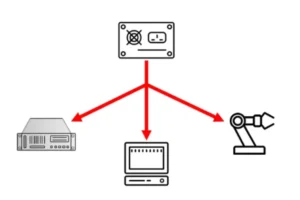
Importance of Proper Grounding in PCB Design
Proper grounding is critical in PCB design. It prevents serious issues in your circuit. Grounding keeps signals clean and components safe.
It’s like the foundation of a building—if the foundation is weak, the entire structure is at risk. Learn more about Understanding Electronic Components: The Cornerstone of Modern Technology.
Star grounding is one method to ensure proper grounding. Connecting all grounds to a single point reduces the likelihood of noise and interference.
This is especially important for circuits handling both analog and digital signals. These different signal types can easily interfere with each other, leading to circuit failures.
In short, good grounding practices—like star grounding—are essential for reliable and efficient PCBs.
They help ensure your circuits function as intended without unexpected issues.
How Star Grounding Works
Star grounding may sound complex, but breaking it down makes it easier to understand. Let’s dive into the fundamentals and its importance in PCB design.
The Core Principle of Star Grounding
The core idea behind star grounding is straightforward.
You connect different parts of the circuit to a single grounding point. Imagine a star. The center of the star is your main ground.
The lines extending outward are the connections to the circuit’s various sections. Each circuit section has a direct path to the central ground. This setup helps prevent noise from propagating between different sections, keeping signals clean and reducing interference.
Why is this important? Different parts of complex circuits generate noise.
Without proper grounding, this noise can spread and cause problems. Star grounding prevents this by connecting each section directly to ground.
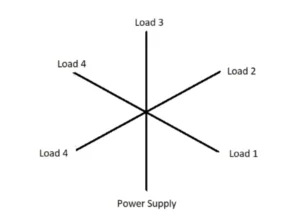
Star Grounding Topology
When we discuss star grounding topology, we’re talking about how everything is laid out. In this configuration, the ground connections form a star shape.
The central ground point acts like the hub of a wheel, with circuit sections as the spokes. This layout is crucial because it minimizes the potential for ground loops.
Ground loops can introduce unwanted noise and may even damage your components. By connecting everything to a single point, you can avoid these issues.
It’s worth noting that star grounding performs best in certain scenarios.
For instance, it’s highly suitable for mixed-signal circuits where analog and digital signals coexist. These signals can interfere with each other, but star grounding helps isolate them.
However, there are better options than star grounding. In some cases, a continuous ground plane may be preferable for high-speed digital circuits.
But for many PCB designs, especially those with mixed signals, star grounding offers a simple and effective solution.
Star Grounding in Mixed-Signal PCB Design
Star grounding isn’t just a fancy term; it’s actually a new concept.
It has practical applications, particularly in mixed-signal PCB design. Let’s explore its common use cases and reasons.
Star Grounding in Analog and Digital Circuits
Mixed-signal PCBs typically contain both analog and digital circuits. These two circuit types are like oil and water—they don’t mix well.
Get a detailed guide for designing PCBs for mixed-signal systems. Analog circuits handle continuous signals, while digital circuits process 1s and 0s. The problem?
Digital circuits generate noise that disrupts the smooth flow of analog signals. This is where star grounding comes into play. Each circuit section has its own direct path to ground, minimizing interference.
Think of it like separate lanes on a highway. Each vehicle (or signal) stays in its own lane, reducing the chance of collisions (or interference).
This configuration is critical for circuits where precision and noise reduction are paramount.
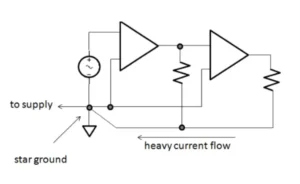
Why Star Grounding is Common in Audio Circuits
Audio circuits are susceptible to noise interference. Even minimal disturbances can cause unwanted hum, buzz, or sound distortion. This is why star grounding is frequently employed in audio circuits.
Audio circuits may consist of multiple sections: power supply, signal processing, and output stage. Without proper grounding, each section can introduce noise. Star grounding helps connect each section directly to a central ground point.
This prevents noise from propagating to other sections. For example, the power supply may generate some noise.
If this noise enters the signal processing section, it could degrade audio quality. But with star grounding, the noise remains confined to the power supply section, keeping the audio signal clean and clear.
This approach explains why star grounding is so prevalent in high-fidelity audio equipment.
It ensures the sound you hear is pure, free from unwanted interference. In short, star grounding helps preserve the integrity of the audio signal, delivering a superior listening experience.
Challenges in Implementing Star Grounding
While star grounding offers significant benefits, it presents challenges.
In modern PCB designs, these challenges can be particularly daunting. Let’s explore why star grounding is difficult to implement.
Complexity of Modern PCB Designs
Modern PCBs are more complex than ever. They typically feature multiple layers, numerous components, and high-speed signals. This complexity makes effective star grounding implementation difficult.
Connecting everything to a single ground point is straightforward in simple circuits. But in complex PCBs, this can become a logistical nightmare.
Routing all ground traces to a central point may result in excessively long traces, increasing resistance and inductance.
These factors can introduce delays and cause signal integrity issues.
Ensuring all ground connections reach a single point on every layer of a multilayer PCB is challenging.
It requires careful planning and precise execution. If mishandled, it can lead to poor performance and increased noise.
Thus, while star grounding sounds simple in theory, putting it into practice in modern designs is far from straightforward.
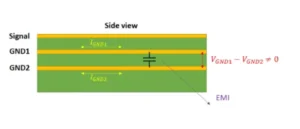
Risks of Electromagnetic Interference (EMI)
Electromagnetic interference (EMI) is a major concern in PCB design.
If implemented incorrectly, star grounding can increase EMI risk. One major issue is the potential creation of large loop areas.
Signals traveling long distances to reach the central ground point can form large loops.
These loops can act like antennas, picking up and radiating EMI. This defeats the purpose of star grounding, which is to reduce noise.
Another area needing improvement is gaps between different ground planes. If a signal traverses this gap, it creates a high-impedance path.
This path generates EMI, causing circuit malfunctions.
In summary, while star grounding aims to reduce noise, improper implementation can result in more EMI rather than less. Careful consideration of layout and routing is crucial to avoid these pitfalls.
Learn more about the causes and solutions for electromagnetic interference (EMI) in PCB design.
When Should You Use Star Grounding?
Star grounding isn’t always the best choice, but sometimes it shines. Let’s discuss when star grounding truly offers benefits.
Special Cases Where Star Grounding is Beneficial
Star grounding performs exceptionally well in specific scenarios. One such case is in circuits where noise is a primary concern.
If your design features sensitive analog signals, star grounding can help keep these signals clean. It prevents noise from the digital section from entering your analog path.
Another scenario is audio circuits. Here, even minor noise can degrade sound quality.
Star grounding prevents this by isolating the audio signal from potential interference sources. Consider star grounding in low-frequency circuits.
In these designs, signals move slowly, reducing the risk associated with long ground paths, making star grounding a practical choice.
Examples of Effective Star Grounding Implementation
Let’s examine some examples of effective star grounding usage.
First, star grounding is typically the preferred method for high-end audio equipment. These devices demand pristine sound quality without hum or buzz.
By connecting all circuit components to a single ground point, designers minimize interference and ensure sound clarity.
Another example involves precision measurement equipment. These devices detect minute signal variations.
Any noise can cause inaccurate readings. Star grounding isolates sensitive circuit sections, preventing interference from other parts from affecting measurements.
Finally, star grounding proves beneficial for simple low-frequency circuits, such as those found in basic analog designs.
These circuits handle slower signals, eliminating concerns about potential issues with long ground paths.
Star grounding maintains signal integrity without the complexity of more advanced grounding methods.
Best Practices for Star Grounding in PCB Design
Implementing star grounding correctly requires some expertise. Let’s explore the best methods for achieving it in PCB design.
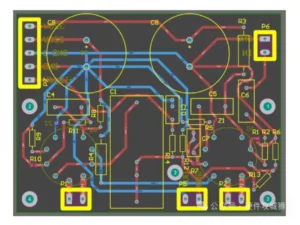
How to Implement Star Grounding Correctly
First, plan your layout carefully. Before placing any components, decide where your central ground point will be. This point is critical because all ground connections will lead to it. Think of it as the circuit’s core.
Learn more about designing PCB layouts.
Next, keep connections short. The path to the central ground should be as brief as possible.
Long paths introduce resistance and inductance, leading to issues like noise and signal delay. Position components to minimize distance to the central ground. Another key point is separating analog and digital grounds until they meet at the central point.
This separation prevents digital noise from interfering with analog signals. It’s like holding a noisy party in one room while quiet study sessions occur in another.
Finally, avoid routing signals over gaps in the ground plane. This creates antenna-like loops that pick up unwanted noise. Instead, ensure each signal has a direct path to the central ground.
Tools and Techniques for Optimizing PCB Grounding
Using the right tools makes star grounding easier and more effective. PCB design software often includes features that aid grounding.
For example, you can use these tools to visualize your ground paths and ensure they are as short and direct as possible. Simulation tools are also invaluable.
They allow you to model your PCB before building it. You can test different grounding strategies and see how they affect performance. Identifying potential issues early saves time and money. Another technique is to use ground planes wisely.
While star grounding relies on a central point, combining it with a continuous ground plane provides additional stability. This hybrid approach offers the best of both worlds, especially in complex designs.
Additionally, consider using decoupling capacitors. These components help filter out noise, making grounding more effective. Place them near power connections to eliminate any fluctuations. Finally, always thoroughly review your design.
Before finalizing, inspect your layout for potential issues like long ground paths or improperly placed components. Careful review uncovers small errors that could cause major problems later.
Conclusion
Star grounding is only sometimes the preferred solution in modern PCB design. It excels in specific scenarios, such as low-frequency analog circuits or high-fidelity audio designs.
However, other grounding methods may prove more effective for many contemporary applications, particularly those involving high-speed signals. The key lies in understanding the circuit’s requirements and selecting the grounding strategy best suited to meet them.
If you decide to use star grounding, plan carefully. Ensure the layout is clean and connections are short. Use the right tools and techniques to avoid common pitfalls. When done correctly, star grounding can deliver significant benefits.