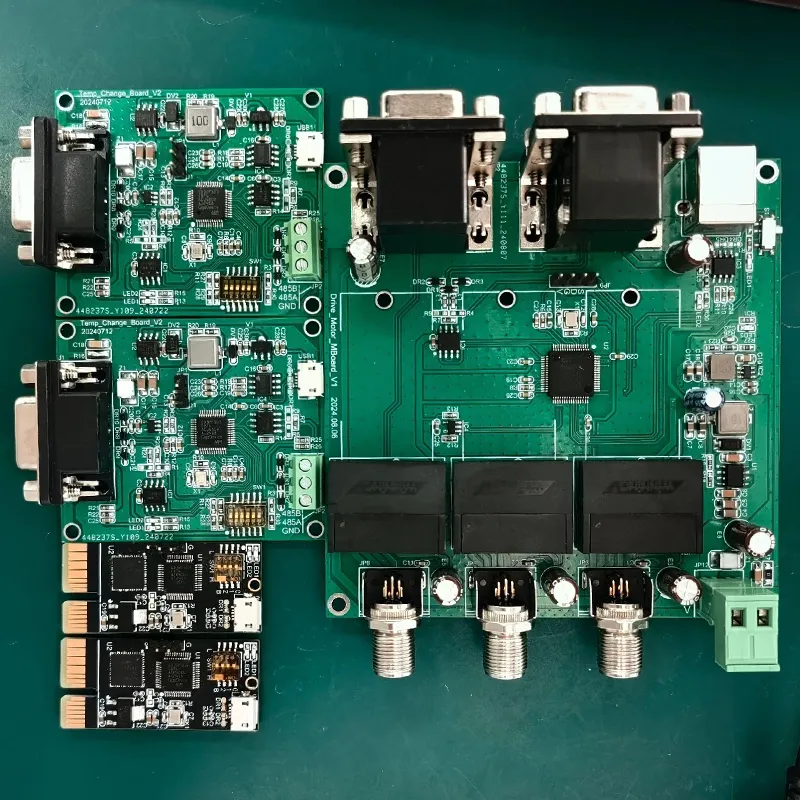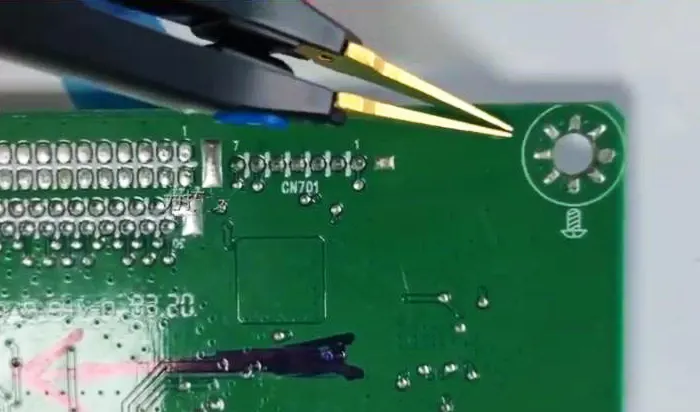
Reflow soldering and wave soldering are two indispensable soldering technologies for electronic PCB assembly, targeting surface-mount devices and through-hole components respectively.
For circuit boards assembled with both SMD and THT components, the production sequence is fixed: complete reflow soldering first, and then carry out wave soldering.
This article introduces the operating principles and applicable scenarios of the two soldering processes, analyzes the core logic for following this particular process order, and lists other critical factors that need to be controlled in actual mass production to stabilize soldering quality.
Why Is Wave Soldering Performed After Reflow Soldering?
In the production of electronic products, both reflow soldering and wave soldering are important surface-mount technology (SMT) processes, but their sequence is strictly defined. Why is wave soldering performed after reflow soldering?
The reason behind this is actually quite straightforward; it is closely related to the characteristics of the two soldering processes and the requirements of product design.
Advantages
Reflow soldering is primarily used for soldering surface-mount devices (SMDs), which are typically small, lightweight, and mounted directly on the surface of the circuit board.
Reflow soldering uses hot air or infrared heating to melt the flux in the solder paste, causing the solder to melt and form a good connection between the components and the circuit board pads.
The advantage of reflow soldering lies in its ability to precisely control the temperature profile, preventing component damage from overheating, and its suitability for high-volume production.
Wave soldering, on the other hand, is a process designed for through-hole components (THT).
Through-hole components are typically larger in size and must be inserted through holes in the circuit board before being soldered using the wave soldering process.
Wave soldering involves spraying molten solder in the form of a wave onto the pads on the circuit board, creating a strong bond between the solder, the components, and the pads.
The advantages of wave soldering include high speed, high efficiency, and the ability to handle larger components.
Reflow Soldering Must Be Followed by Wave Soldering
Reflow soldering and wave soldering are used in different scenarios. Generally, if a product uses both SMD and THT components, reflow soldering must be performed before wave soldering.
This is because the high temperatures during the reflow soldering process can adversely affect through-hole components, potentially causing them to detach or become damaged.
Wave soldering, however, does not affect SMD components that have already undergone reflow soldering.
Therefore, performing reflow soldering before wave soldering ensures that both types of components achieve optimal soldering results.
What Else Is Needed for Reflow Soldering and Wave Soldering?
In addition to the sequence, during actual production, it is also necessary to consider the process parameter settings for reflow and wave soldering, component selection, solder paste type, cleaning processes, and more.
These factors all affect soldering quality and must be adjusted according to specific product requirements.
For example, reflow soldering requires setting an appropriate temperature profile based on component type and solder paste characteristics, while wave soldering requires selecting an appropriate solder wave height based on pad size and component weight.
Why Wave Soldering Follows Reflow Soldering
Simply put, wave soldering is performed after reflow soldering to prevent the high temperatures of the reflow process from damaging through-hole components.
At the same time, this sequence ensures that both types of components achieve optimal soldering results.
Of course, in addition to the sequence, it is necessary to select appropriate process parameters and component types based on specific product requirements to ensure that the product meets high-quality soldering standards.
Conclusion
To conclude, the rule that wave soldering comes after reflow soldering originates from the heat resistance differences of electronic components.
If wave soldering for through-hole parts is completed in advance, the subsequent high-temperature reflow oven process will easily trigger component loosening, displacement and failure.
In contrast, finished SMD solder joints can withstand the thermal environment of wave soldering.
Apart from following the correct processing sequence, manufacturers also need to comprehensively optimize multiple variables including reflow temperature curves, solder wave parameters, solder paste selection and post-soldering cleaning according to product characteristics.
Standardized process arrangement helps avoid various soldering defects and guarantees reliable assembly quality for mixed SMT and THT circuit boards.